

planet
as an impact-led business, every decision is guided by circularity and the intention to conserve nature
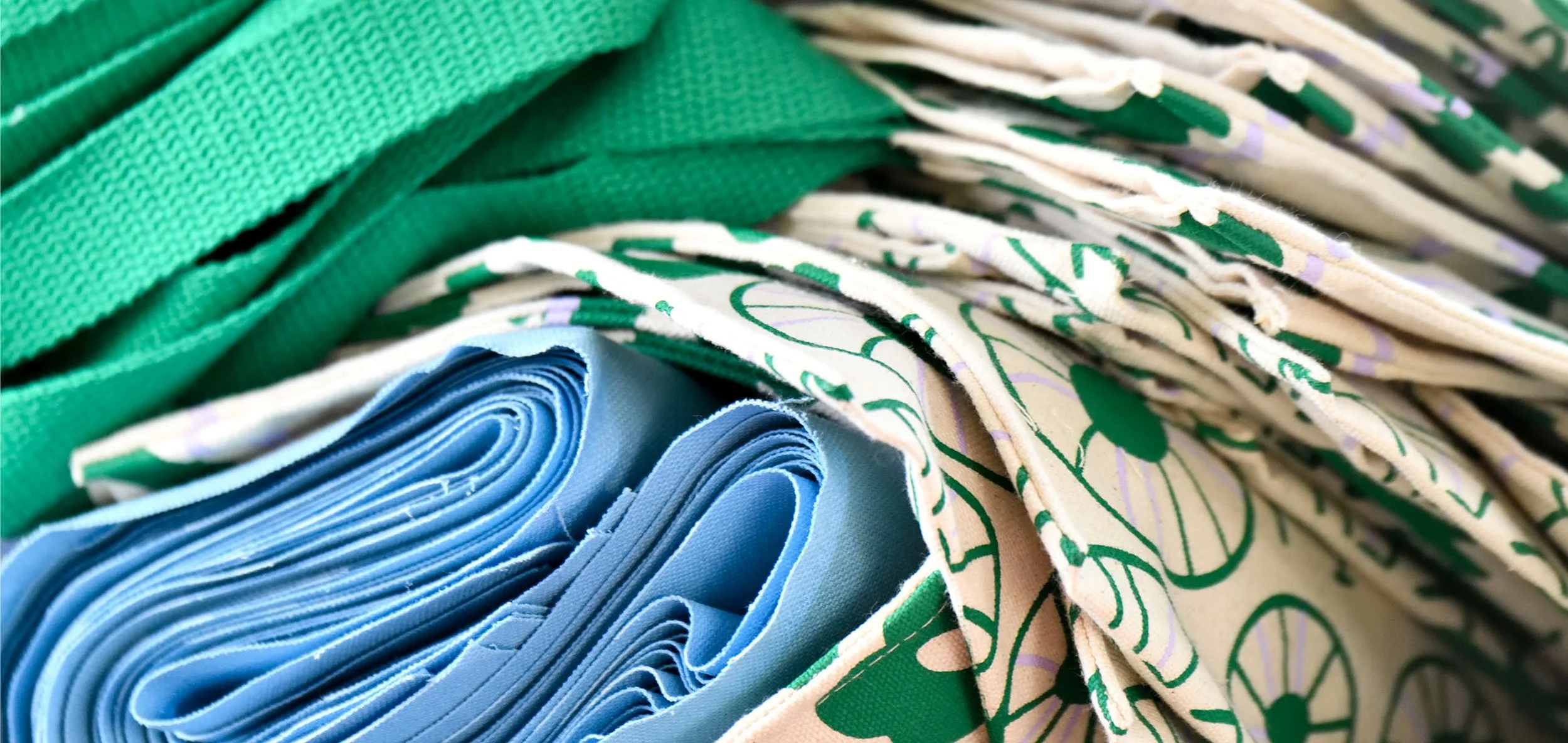
our materials
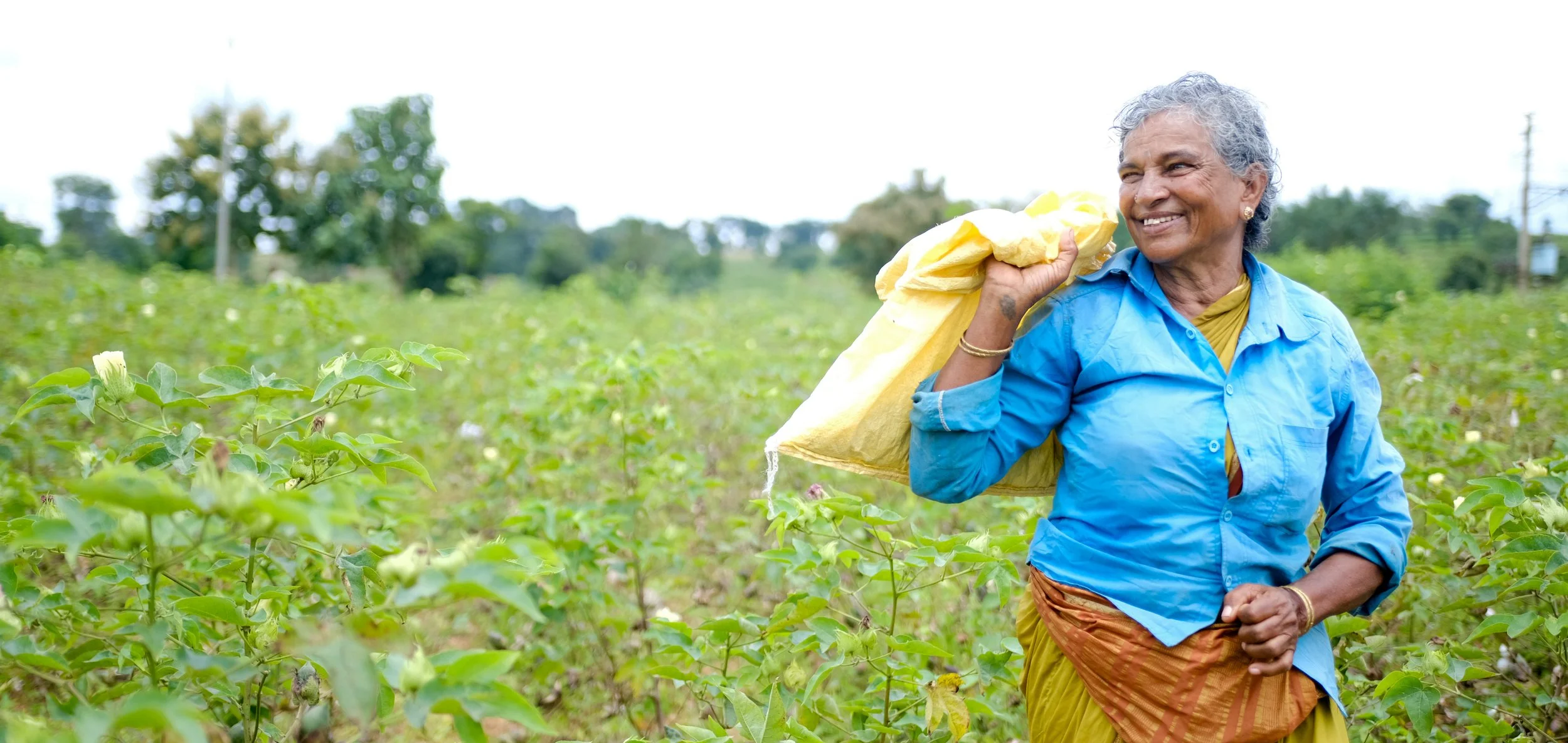
100% organic cotton
Organic cotton farming is built on principles of care. For the land, for farmers, and for the people who wear its fibres. It prioritises growing methods that work with nature, not against it, creating healthier soils and safer working conditions. This approach shifts the focus from short-term yields to long-term resilience, ensuring that cotton can be grown responsibly for generations to come.

-
eliminates synthetic chemicals: Organic farming avoids the use of pesticides and synthetic fertilisers, helping protect soil, water sources, and surrounding ecosystems.
conserves water: Healthier soils with higher organic matter improve water retention.
reduces carbon footprint: By eliminating energy-intensive chemical inputs and improving soil health, organic systems contribute to lower greenhouse gas emissions.
supports biodiversity: Diverse farming practices and the absence of toxic chemicals provide safer habitats for pollinators, birds, and wildlife.
-
protects farmer health: Workers are not exposed to hazardous agrochemicals, reducing health risks.
Strengthens livelihoods: Organic cotton often commands a premium price, and have lower input costs.
Builds resilient soils: Crop rotations, composting, and other organic practices enhance soil fertility and long-term productivity, safeguarding future harvests.
-
healthier textiles: Organic cotton clothing and fabrics carry minimal chemical residues.
recycled cotton
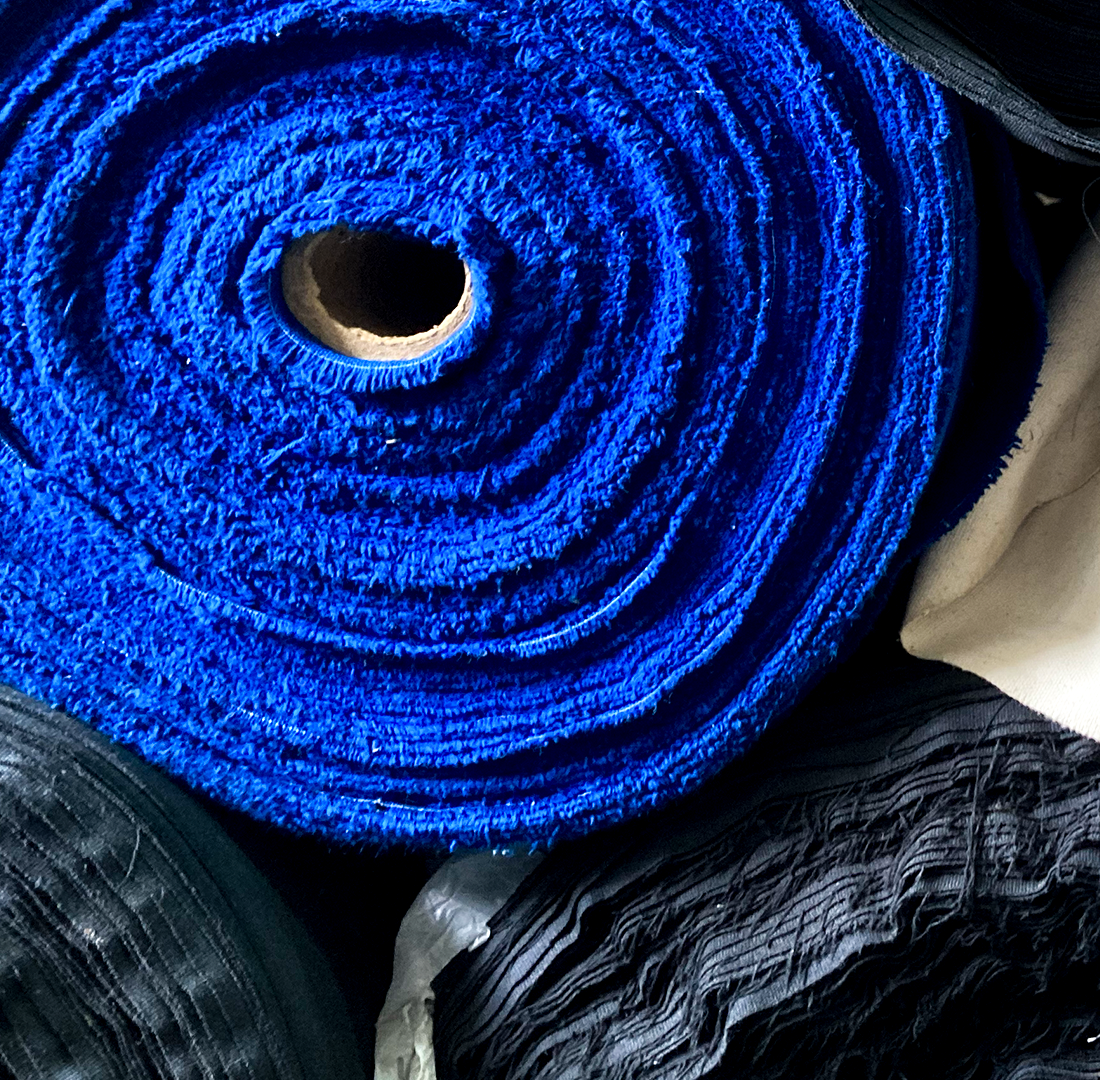
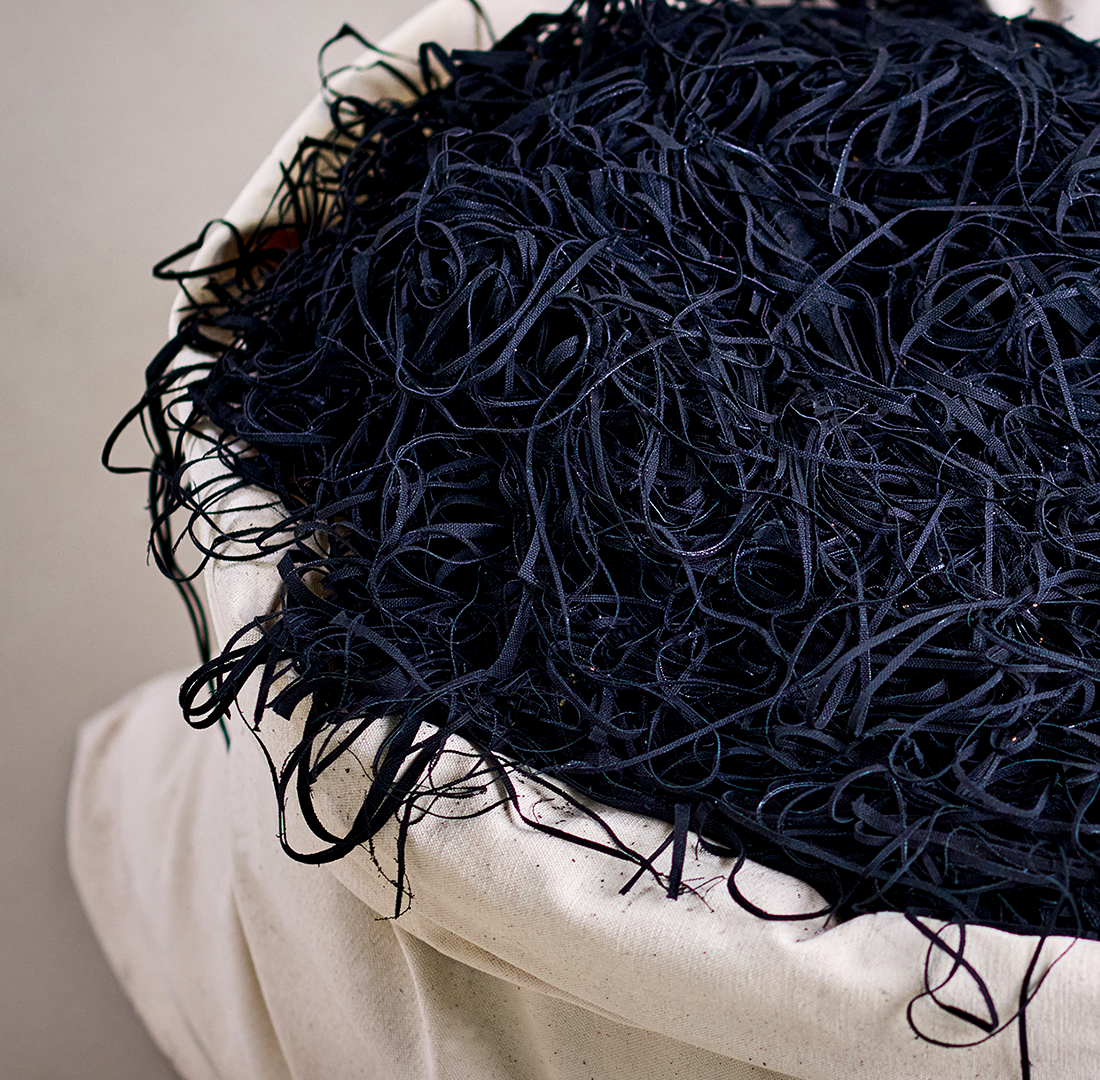
All our pre-consumer textile waste is recycled into new fabric, closing the loop within our production process. By reusing these materials, we reduce the demand for virgin cotton and divert materials from landfill, while maintaining the strength, comfort, and durability of our enduring products. This approach allows us to create fabrics responsibly, supporting both resource efficiency and fabric innovation.
-
reduces waste: Recycled cotton gives new life our pre-consumer textile waste, diverting valuable material from landfill.
conserves resources: By reusing existing fibres, recycled cotton lowers the demand for virgin cotton, easing pressure on farmland and reducing water use.
cuts emissions: Processing recycled cotton generally requires less energy and fewer inputs than conventional cotton production, contributing to lower greenhouse gas emissions.
supports circularity: Extending the lifecycle of cotton fibres keeps materials in use for longer and helps shift the industry towards a more circular system.
-
Less reliance on raw cotton: By reducing demand for new cotton crops, recycled cotton helps mitigate the social and environmental pressures tied to large-scale cotton farming.
Encourages innovation: Investment in recycling systems drives new technologies, business models, and jobs in textile recovery and processing.
Supports responsible supply chains: Integrating recycled cotton strengthens commitments to responsible sourcing and resource efficiency.
-
responsible choice: Recycled cotton reduces the environmental footprint of clothing and textiles without compromising everyday use.
quality with purpose: Advances in recycling technology ensure that fabrics made with recycled cotton are durable, comfortable, and aligned with consumer expectations for responsible products.
eco-inks and dyes
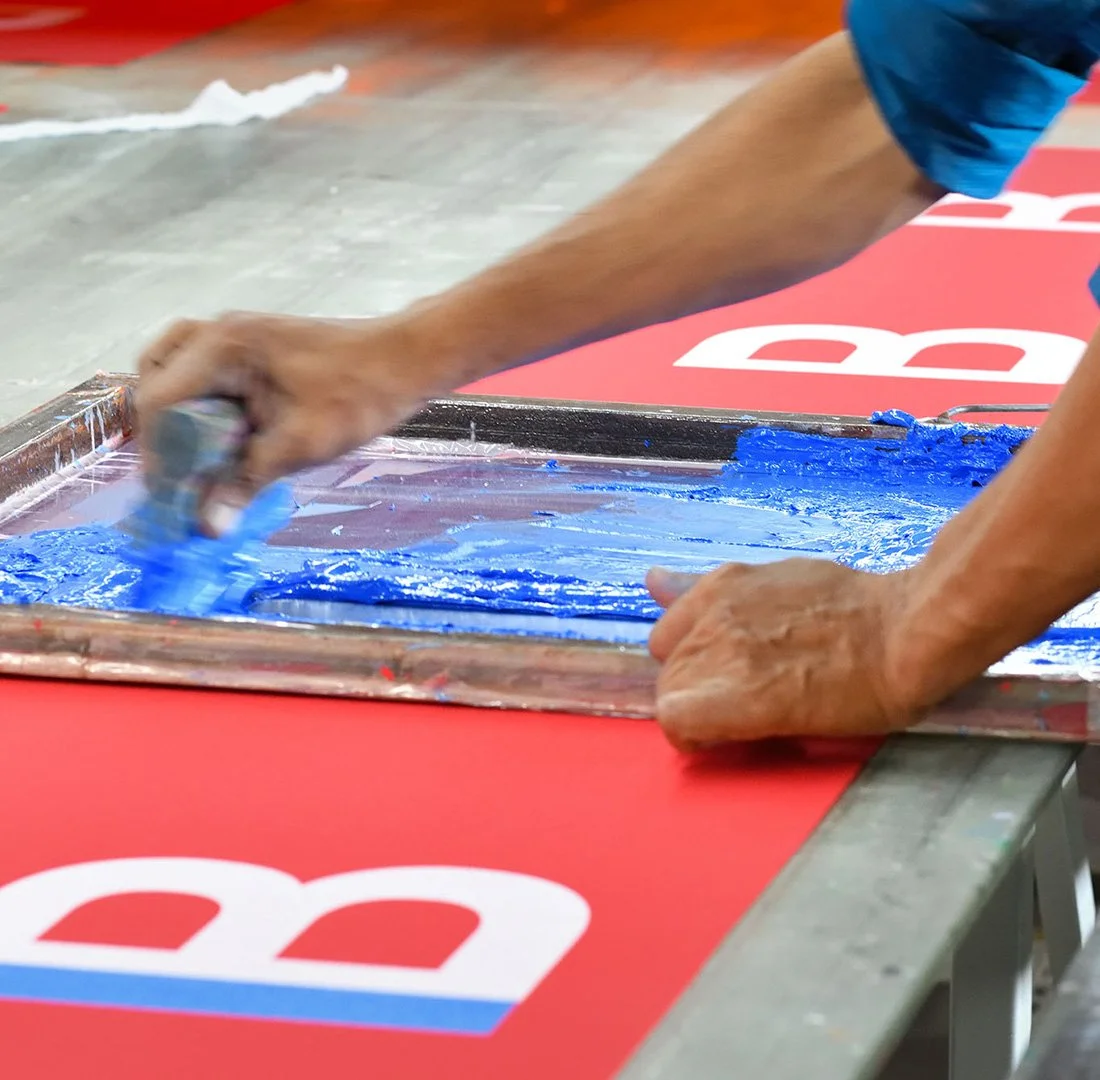
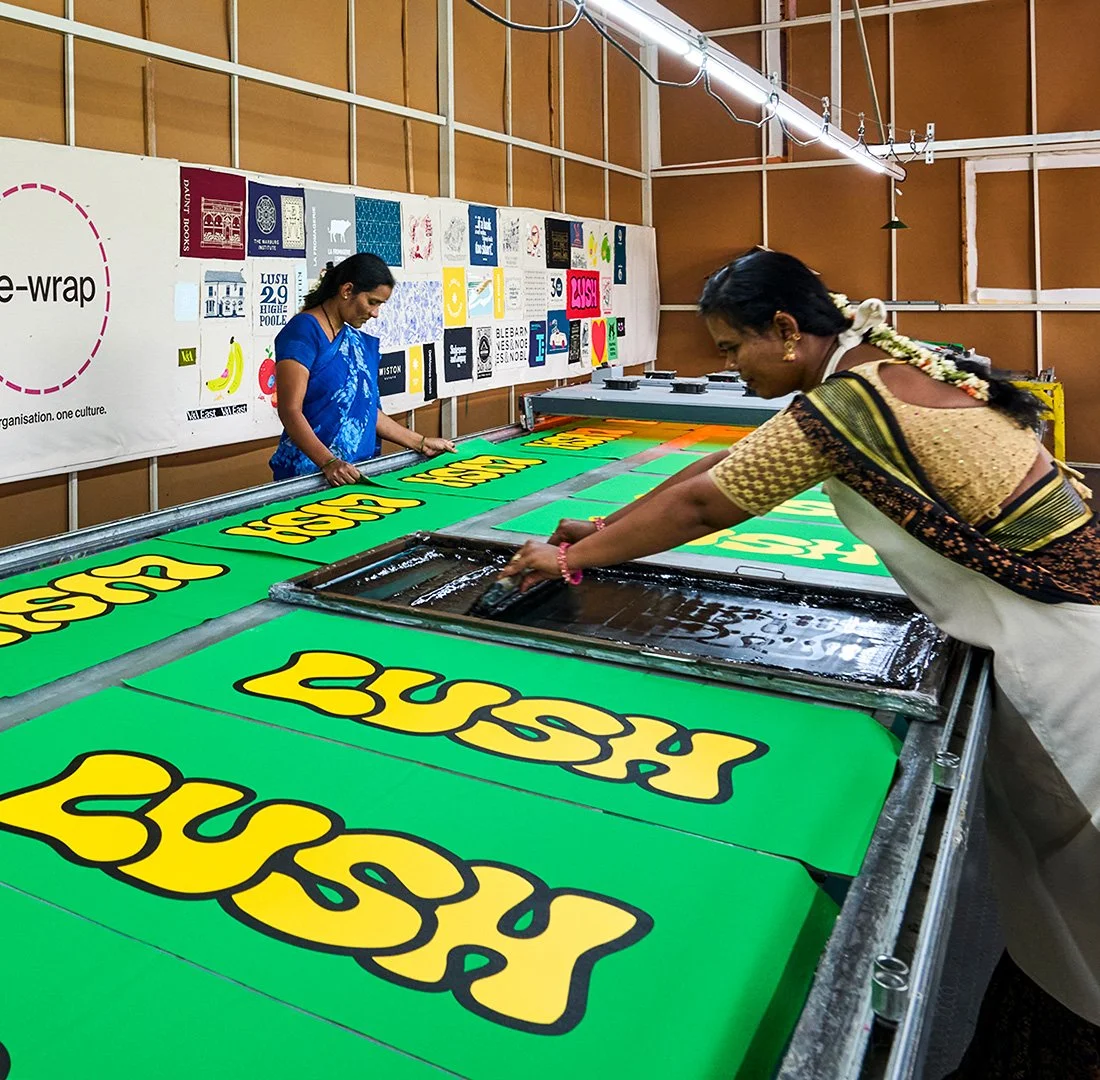
Our use of water-based eco inks and dyes reflects a commitment to safer, more responsible textile production. By avoiding harsh solvents and toxic chemicals, we protect both the environment and the people involved in making our products. This approach ensures vibrant, high-quality colours while reducing water and energy use in every stage of production.
-
minimises chemical pollution: Water-based inks and dyes avoid the use of harsh solvents and heavy metals, reducing contamination of soil and waterways.
reduces water and energy use: Water-based systems often require lower processing temperatures, and our closed-loop water system ensures that only clean, purified water is discharged.
lowers carbon footprint: Eliminating solvent-based chemicals and reducing energy demand contributes to lower greenhouse gas emissions.
supports safer ecosystems: no toxic discharge means no risk of contamination to aquatic life and surrounding wildlife.
-
Healthier working conditions: Workers are exposed to fewer harmful chemicals, improving safety in production environments.
Encourages innovation: Adoption of water-based systems and closed-loop processing drives the development of new textile printing and dyeing technologies.
Strengthens responsible supply chains: Using eco-friendly inks and dyes with advanced water management aligns production practices with our commitment to better production practices.
-
Safer products: Garments and textiles are free from residual harmful chemicals, making them safer for everyday use.
High-quality results: Water-based inks and dyes produce vibrant, durable colours without compromising fabric integrity or feel.
certifications
The World Fair Trade Organisation (WFTO) is a global community promoting fair trade through rigorous standards and verification. It empowers marginalised producers, supports responsible practices, and ensures trade prioritises people and planet over profit.
WFTO
The Global Organic Textile Standard (GOTS) is the worldwide leading textile processing standard for organic fibres, including ecological and social criteria, backed up by independent certification of the entire textile supply chain.
GOTS
GRS
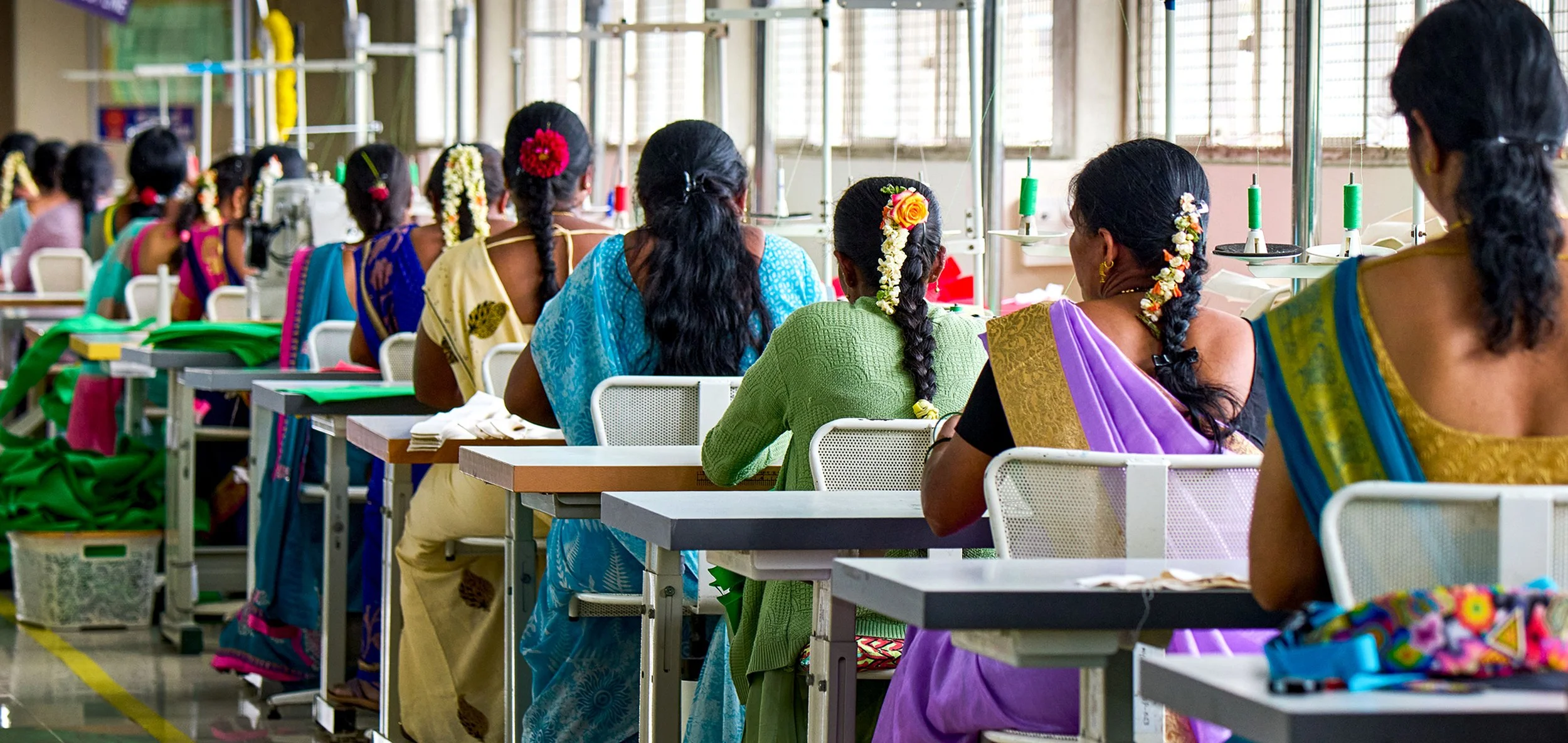
The Global Recycled Standard (GRS) is an international certification that verifies the recycled content of products, ensures responsible social, environmental, and chemical practices in production, and provides traceability throughout the supply chain.
processes
in-unit initatives
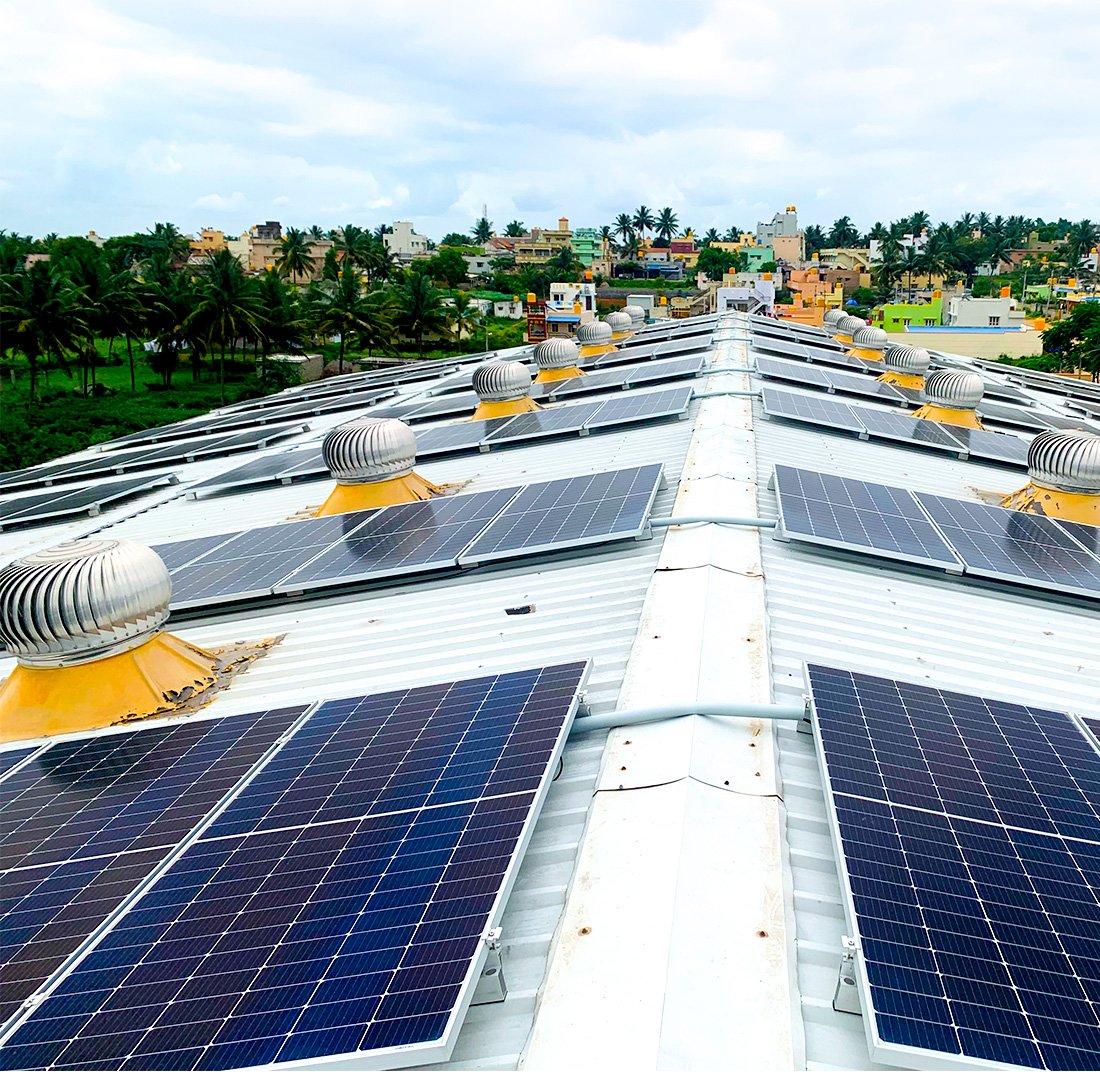
In our Creation Units, every detail is designed with respect for natural resources and future resilience. Solar power drives our operations with renewable energy, while closed water systems ensure that only purified water is ever returned to the environment, supporting gardens on-site and replenishing groundwater. Even the spaces themselves embody this ethos, furnished with reclaimed materials that reduce waste and celebrate local character. Together, these initiatives reflect our commitment to conserving resources today while looking to tomorrow
-
environmental responsibility
By generating renewable energy on-site, we cut carbon emissions and reduce reliance on fossil fuels, lowering the overall footprint of our operations.lower-impact products
Producing fabrics with renewable energy means every item carries a smaller environmental impact, giving customers confidence in the integrity of our commitment to the planet.
-
protects local ecosystems
By treating all discharged water, we prevent pollutants from entering rivers or groundwater, safeguarding surrounding environments and communities.promotes resource efficiency
Purified water is reused within our Creation Unit garden and helps recharge groundwater, ensuring that no water is wasted.supports responsible production
Using only GOTS-certified water-based inks within a closed system means safer processes for workers and a cleaner, more responsible manufacturing cycle.
-
reduces waste
By repurposing vintage doors and fabrics, we keep valuable materials in use and out of landfill.celebrates local character
Sourcing reclaimed materials locally gives our Creation Unit a unique identity that reflects its community and surroundings.creates purposeful spaces
Designing with reclaimed materials transforms our factories into environments that embody our values, turning everyday spaces into visible reminders of creativity and responsibility.
design process
Every stage of production is designed to conserve resources and reduce environmental impact. Digital sampling with CLO 3D allows patrons to refine designs before any fabric is cut, while meticulous collection and recycling of pre-production textile scraps ensures materials are reused rather than discarded. By carefully selecting GOTS-certified organic cotton, GRS-certified recycled cotton, and only biodegradable or recyclable components, we minimise chemical use, avoid non-biodegradable waste, and support a circular textile system. Together, these practices reflect our commitment to conserving nature and building a resilient future.

-
reduces fabric waste
By creating accurate digital prototypes, we minimise the need for physical samples, preventing unnecessary cutting of textiles.lowers energy and water use
Fewer physical samples mean less production, which reduces the energy, water, and chemicals typically consumed in fabric dyeing, printing, and finishing.decreases carbon footprint
Digital sampling reduces the need for shipping and transporting multiple sample garments, lowering greenhouse gas emissions associated with logistics.supports responsible design
By allowing patrons to trial and refine ideas digitally, we ensure only considered, purposeful production enters the physical world, aligning creativity with responsibility.
-
reduces landfill and incineration
By collecting and recycling every scrap of pre-production textile waste, we keep valuable materials out of landfill and prevent unnecessary incineration.conserves natural resources
Transforming waste into recycled fabric reduces the demand for virgin cotton and other raw materials, protecting land, water, and energy resources.minimises production waste
Careful pattern cutting and sewing techniques limit the amount of textile discarded during manufacturing, ensuring materials are used efficiently.supports a circular textile system
By reintroducing pre-production scraps into new fabrics, we extend the lifecycle of materials, contributing to a more regenerative production cycle.
-
reduces chemical impact
Using GOTS-certified organic cotton ensures fibres are grown without harmful pesticides or synthetic fertilisers, protecting soil, water, and ecosystems.minimises non-biodegradable waste
Avoiding plastic components, such as zips, and prioritising biodegradable or recyclable materials prevents microplastics and long-lasting waste from entering the environment.supports a circular system
Selecting materials that can be fully recycled or composted extends their lifecycle, promoting a more thoughtful approach to product design.
packaging and shipping
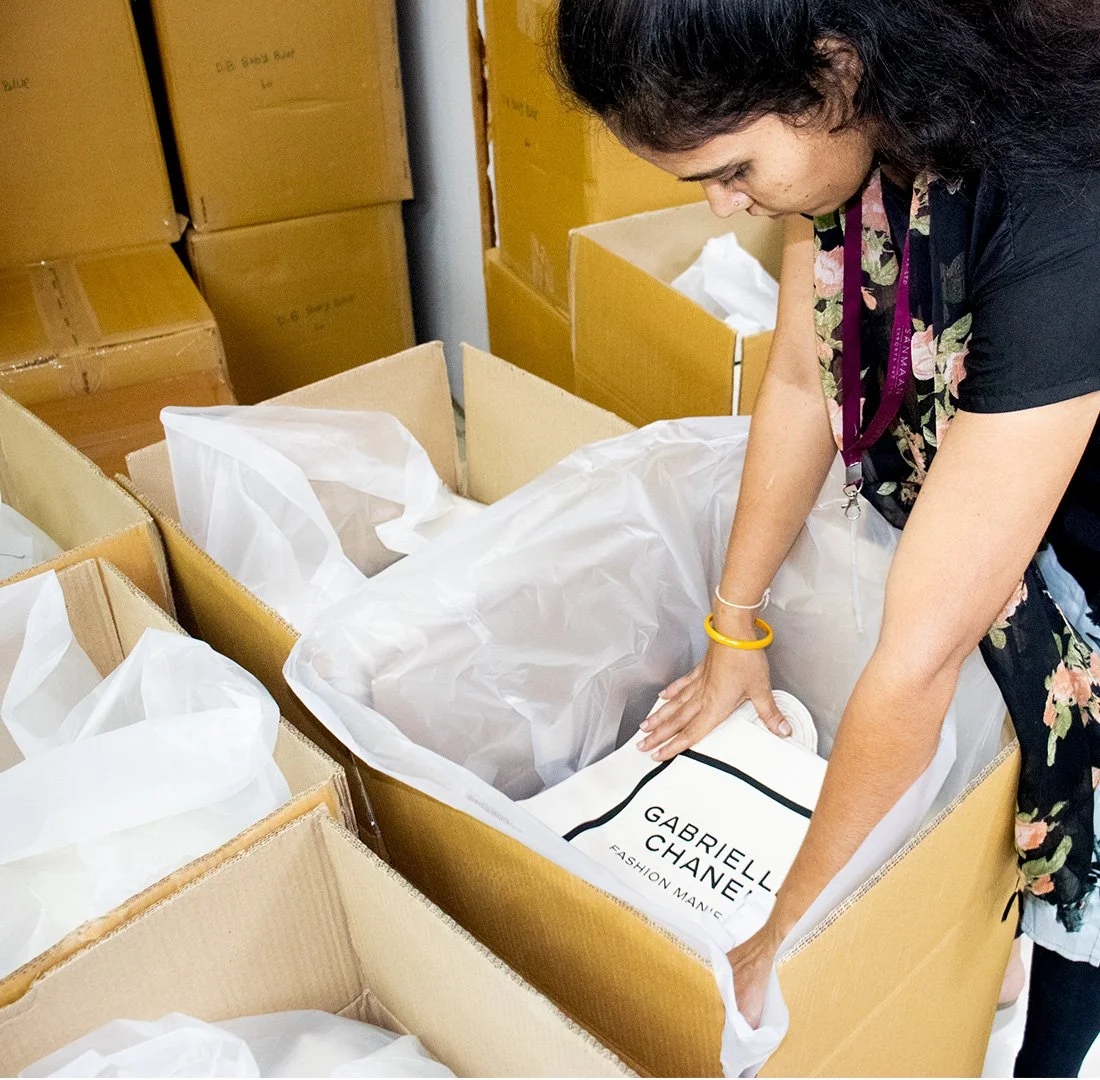
Our shipping and packaging decisions are designed to minimise environmental impact and use resources responsibly. By prioritising sea freight, we significantly reduce emissions compared with air transport. We only use FSC-certified, chlorine-free cardboard made from 100% recycled paper that is fully recyclable. For protection in transit, we avoid unnecessary plastics and use only 100% recycled, PVC-free poly bags. Together, these choices demonstrate how our approach to logistics and packaging reduces waste, conserves natural resources, and supports a more responsible and circular system.
-
scaling positive impact
In 2024, 75% of our shipments were sent by sea from our Creation Units in India to patrons worldwide, demonstrating our commitment to making lower-impact logistics the norm, not the exception.lower carbon footprint
Shipping by sea produces significantly fewer greenhouse gas emissions per unit of cargo compared with air freight, reducing the overall climate impact of our deliveries.greater energy efficiency
Sea freight is one of the most fuel-efficient ways to transport large volumes of goods over long distances, making it a more responsible choice for global shipments.reduced resource intensity
By prioritising sea freight, we avoid the high energy consumption and environmental strain associated with air transport, conserving valuable resources.
-
supports ethical forestry
FSC certification ensures that the paper used comes from responsibly managed forests, protecting biodiversity and promoting long-term forest health.reduces chemical impact
Chlorine-free processing avoids harmful chemicals, limiting pollution and protecting ecosystems.conserves natural resources
Made from 100% recycled paper, our boxes reduce demand for virgin materials and give new life to post-consumer waste.minimises environmental footprint
Combining recycled content with responsible sourcing and chemical-free processing results in packaging with a lower overall environmental impact.
-
reduces plastic pollution
By avoiding unnecessary plastics, we limit the amount of material that could end up in landfills or oceans, protecting ecosystems and wildlife.conserves resources
Using only 100% recycled plastic reduces demand for virgin, fossil-fuel-based materials and keeps existing plastics in circulation.avoids hazardous plastics
Choosing PVC-free poly bags ensures the limited plastics we use are less harmful, reducing toxic impacts on people and the environment.supports circularity
Using recycled, PVC-free plastics makes packaging easier to recycle again, extending material lifecycles and supporting a circular economy.